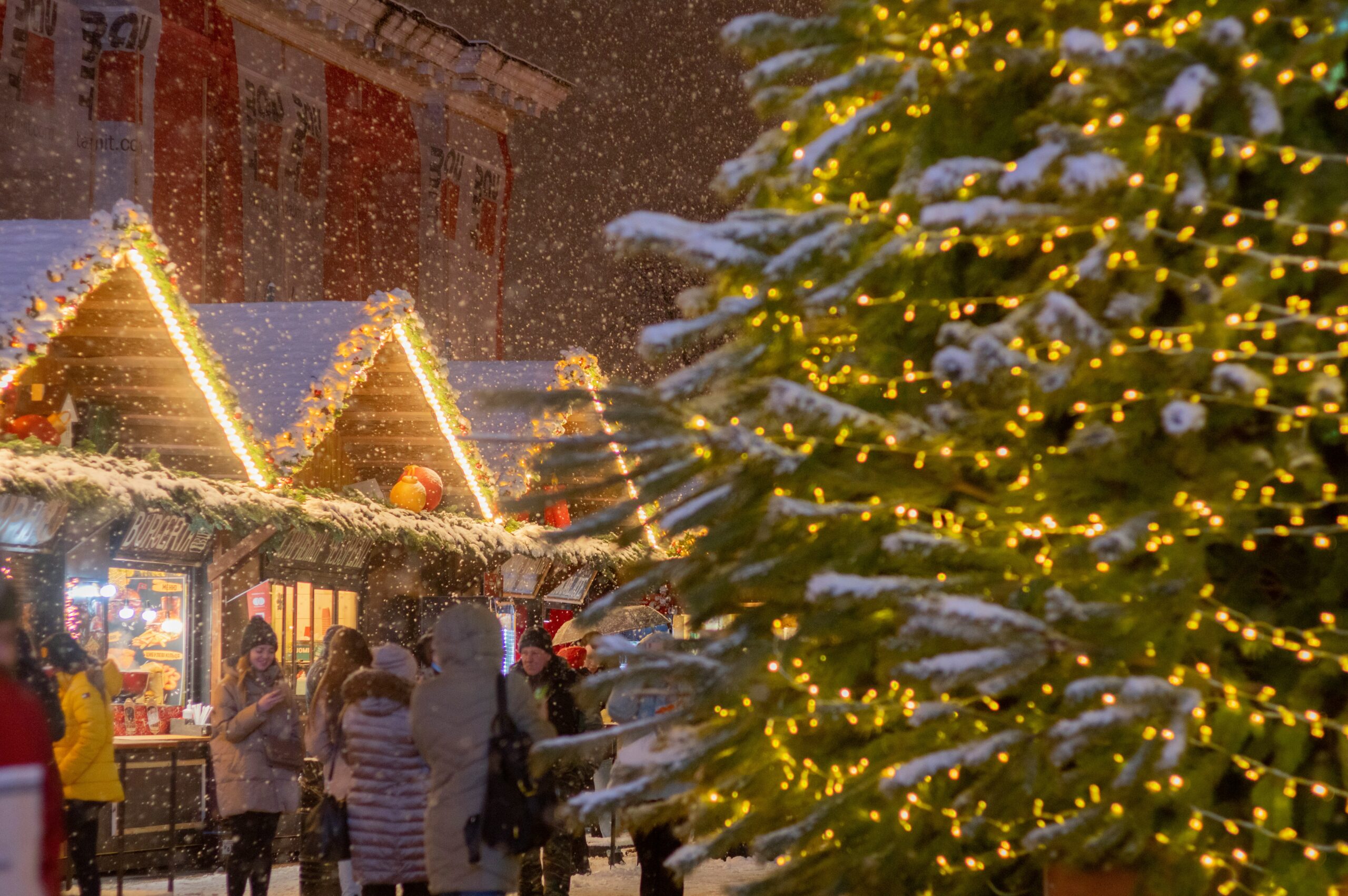
We are embarking on an epic family road trip across Bavaria this winter. This is not our first foray into winter travel, and we wanted to condense some of our knowledge and experience into a post about winter travel in Europe.
Pack for cold, not for snow camping. Winter in Germany and Austria usually means highs around freezing, short gray days, and long evenings outside at Christmas markets. Since we’re road-tripping in a passenger van and sleeping in a warm hotel every night, we don’t need expedition gear. We need smart layers, waterproof boots or shoes, and a few things that make long market nights and winter driving easy.
This is the exact list we used, sorted by where you’ll actually need each thing: on your body, at the market, in the van, and at the hotel. There’s a printable checklist at the end.
December Weather at a Glance
Expect daytime highs just above freezing and nights a few degrees below, colder in the Alps. Daylight is short, roughly 8 hours, with sunset around 4:15 to 4:30 pm.
Stop | Avg high | Avg low | What it feels like |
Munich / Nuremberg | ~39°F (4°C) | ~28°F (-2°C) | Damp cold, chance of snow or sleet |
Salzburg / Hallstatt | ~39°F (4°C) | ~27°F (-3°C) | Often foggy by the lakes, snow likely |
Innsbruck / Tyrol | ~37°F (3°C) | ~23°F (-5°C) | Coldest stop, mountain snow |
Vienna | ~39°F (4°C) | ~30°F (-1°C) | Gray and windy |
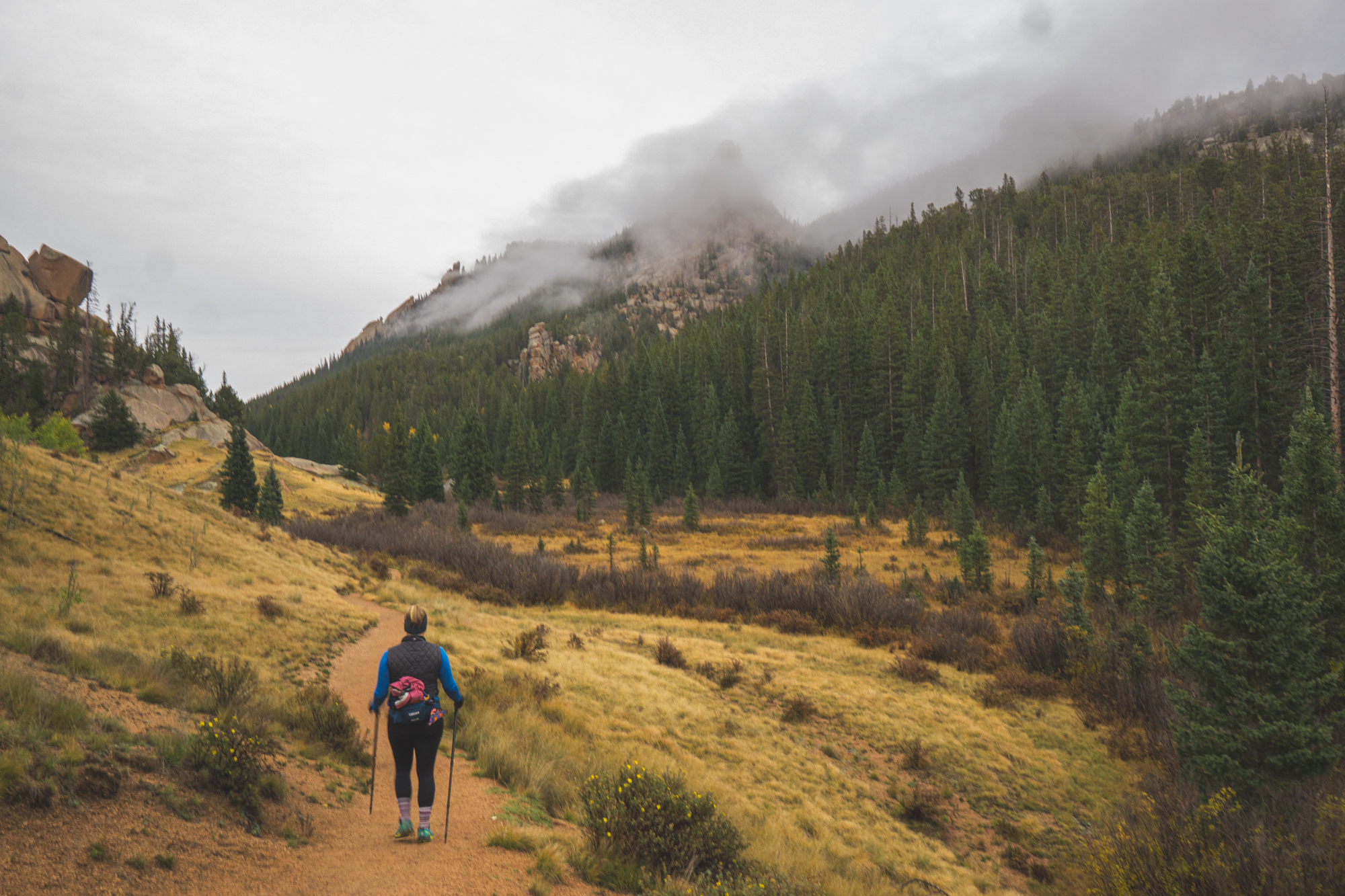
Clothing: Dress in Layers
We will be going from a heated van to a freezing market square to a hot, crowded Stube and back again, sometimes within an hour. Layers you can peel off beat one giant coat every time.
- Base layer (2 to 3 sets): merino wool or synthetic thermal tops and leggings. Merino can be worn several days without smelling, which saves suitcase space. We have been extremely pleased with PAKA base layers, and that is essentially all that we have packed for this trip. The Alpacka is soft, light, and lasts for days before needing a wash.
- Mid layer (2): a fleece or a light down or synthetic puffy jacket. A packable puffy doubles as a pillow on long drives. A mid layer like the Patagonia Better Sweater or the Patagonia Nano Puff Insulated Hoodie is essential for a trip like this. A reliable mid layer is arguably the most useful piece of layering clothing you can pack.
- Outer layer (1): a waterproof, windproof jacket with a hood that fits over your mid layer. December rain and sleet are more common than powder snow in the cities. The next most important article of clothing for this trip is an outer layer that is waterproof. I run warm, so I’m bringing a Patagonia Torrentshell 3L Jacket, and Rachael is a bit colder and prefers something like her snowboarding shell, the Patagonia Snow Drifter.
- Everyday clothes: 2 to 3 pairs of jeans or warm trousers, plus sweaters you don’t mind smelling like bratwurst smoke. We are extremely hard on our gear, and regular jeans don’t typically cut it on international trips. Rachael and I both opt for Fjallraven Vidda Pro Trousers when the weather can get sketchy. The G-1000 material is wildly durable and ultra wind- and water-resistant.
- One nicer outfit: for a fancy hotel dinner, a concert, or a coffeehouse in Vienna. Dark layers dress up easily. Most of our sweaters dress up nicely and layer well enough for a nice-ish restaurant.
Skip cotton next to your skin on cold days. It holds sweat and makes you colder once you stop moving. We find merino wool and alpaca to be the best materials for multiple days in the same clothes.
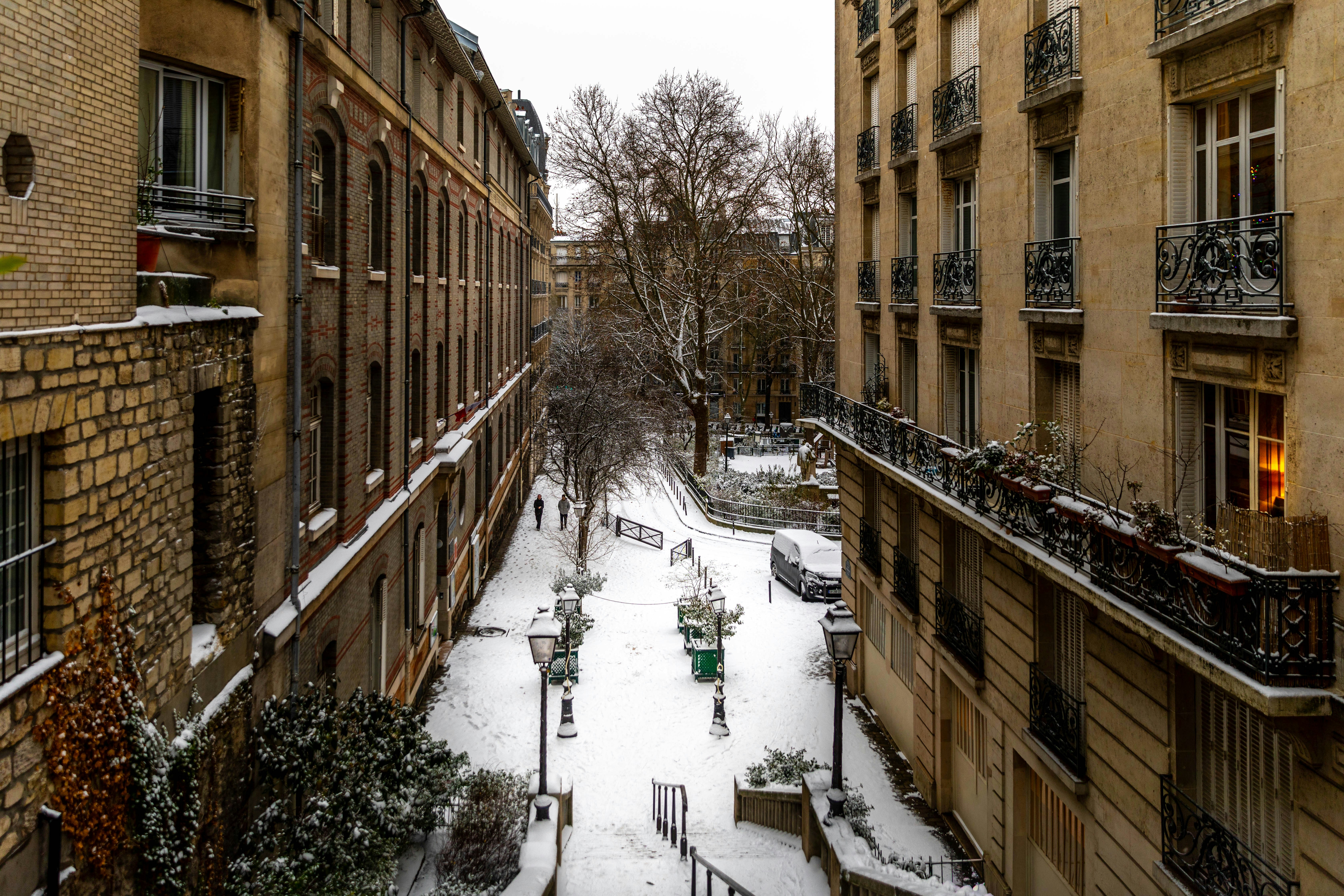
Footwear and Accessories
Your feet decide whether a market night is magical or miserable. You’ll stand on cold cobblestones for hours, often on slush.
- Waterproof, insulated boots or shoes with good grip. Break them in before the trip. Old-town cobbles get slick, and many market squares aren’t cleared down to bare stone. Rachael and I differ on our preferred shoes for this trip. I opted for a pair of waterproof shoes with good traction like the Altra Torin 8 GTX. The shoes are comfortable for all-day wear, and the GTX waterproofing makes them perfect for wet streets. Rachael prefers a pair of boots like her Sorel Out N About lV Chillz Boots.
- Wool socks (one pair per day, plus spares). Pack a dry pair in your day bag for long evenings. We are absolute freaks when it comes to socks. For years, Rachael and her sister have been giving each other socks for holiday gifts. We have owned a lot of socks over the years, and these are some of our favorites:
- Slip-on traction cleats if you plan any Alpine viewpoints or lakeside walks, like Hallstatt or the Marienbrücke area. We hardly leave for a winter adventure without our Yaktrax Walk Traction Cleats.
- Indoor shoes or slippers for hotels and the van. Some guesthouses ask you to take boots off at the door. I prefer to walk inside with comfy socks, but Rachael prefers a dedicated pair of slippers like Berkinstock Zermatt Shearling Lined Narrow Slippers.
- Warm hat that covers your ears. Our beanie collection is extremely robust; these are some of our favorites:
- Touchscreen gloves plus warmer mittens to go over them. You’ll be pulling your phone out for photos and paying all night. We have found that gloves come down to personal preference but these are a few pairs that we like:
- Scarf or neck gaiter. Easier than a scarf when you’re wearing a backpack. There is only one brand to consider here, and ours have held up for YEARS of abuse: for the coldest nights we choose the Smartwool Thermal Merino Reversible Neck Gaiter, and for the average night out in the wind we opt for the Smartwool Merino Neck Gaiter.
- Disposable hand and toe warmers. Cheap, tiny, and a lifesaver for late nights and cold camera batteries.
Christmas Market Essentials
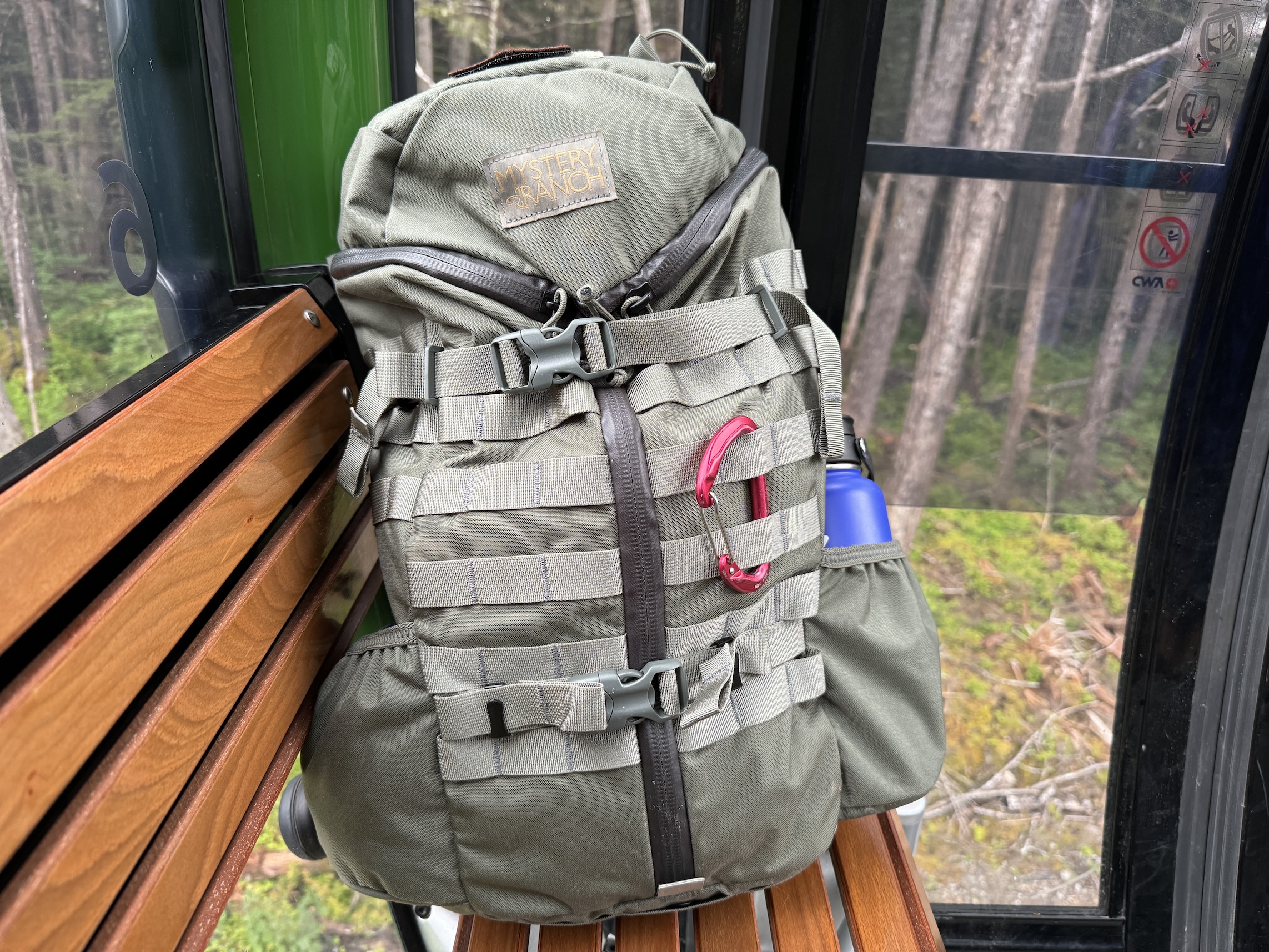
Keep a small crossbody bag or daypack ready to grab every afternoon. Rachael carries a Patagonia Black Hole 25L Backpack, and I alternate between a Mystery Ranch 2DAP and a Timbuk2 Classic Messenger. Here’s what lives in our day packs:
- Cash in small bills and coins. Many Christmas Market stalls now take cards, but plenty of smaller ones are still cash only, especially in Germany. Expect to pay a mug deposit of a few euros on top of each drink.
- Tissues and hand sanitizer. Market toilets often cost 50 cents to €1 and run out of paper. We still try to carry sanitizer on every trip we take.
- Lip balm and a small hand cream. Cold wind plus warm drinks dry you out fast.
- A power bank (more on this below).
- Spare dry socks and gloves if rain or sleet is forecast; having a dry set of gloves or socks is essential.
- An anti-theft mindset. Crowded markets attract pickpockets, so use a bag that zips and wear it in front. This is the plus of the Timbuk2 Messenger: I can swing it around to the front when moving through crowds.
Pro tip: you can keep the mug as a souvenir instead of returning it. Many markets release a new design each year, and they make a great cheap collectible.
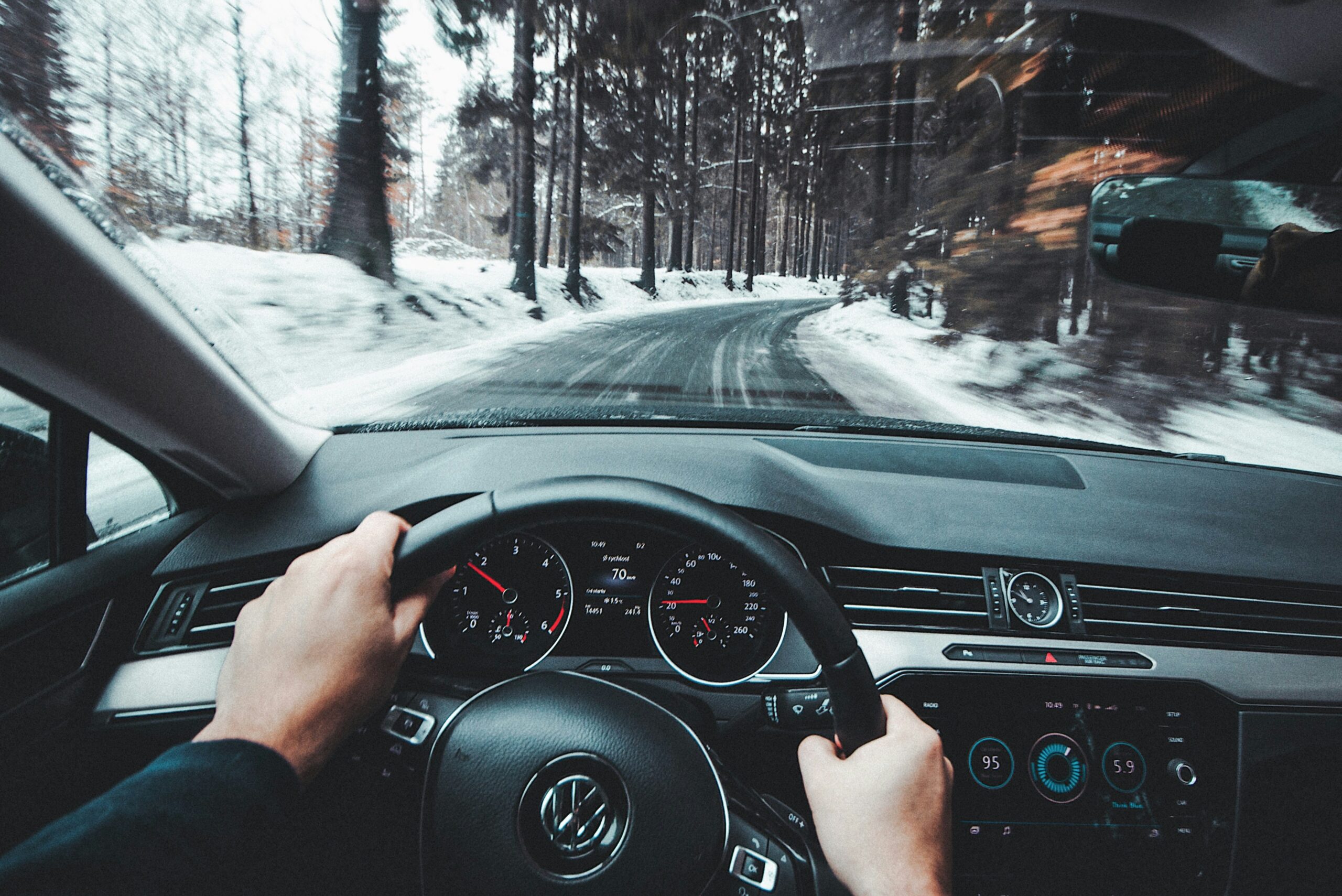
Winter Car Kit for the Van
A rental van should come with winter tires and the legally required safety kit, but check at pickup. Austria in particular expects winter-ready equipment in winter conditions, and you’ll need a Vignette (toll sticker, now available digitally) for its motorways.
Confirm the rental includes:
- Winter tires (look for the snowflake-on-mountain symbol)
- Warning triangle, first aid kit and a high-visibility vest (bring one per passenger to be safe)
- Snow chains if you’re heading into the Alps, and practice fitting them once in the parking lot
- An ice scraper and snow brush
What we add ourselves:
- Phone mount and a car charger with enough ports for everyone. Passenger vans often have only one or two. No one wants to fiddle with a phone and cords while trying to navigate European streets and traffic.
- A cooler bag or box for picnic lunches from bakeries and supermarkets. Rest-stop food on the Autobahn is pricey.
- Snacks and a thermos for hot tea or cocoa on cold drives. We opt to bring our Hydroflask everywhere for this very reason. It’s stainless and insulated so drinks stay cold and warm.
- A fleece blanket in case you get stuck in traffic on a snowy pass.
- Offline maps downloaded for mountain areas with weak signal. We also opt to carry a Michelin Map for the state or country that we are traveling in.
- Small trash bags and wet wipes. Road trips get messy fast with a full van.
Hotel and Spa Extras
Hotels cover the basics, but a few small things make a week of check-ins smoother.
- Swimsuit and flip-flops/sandals. Many Alpine hotels have a pool or wellness area. Note that saunas in Germany and Austria are usually textile-free, so pack a large travel towel or use the hotel’s robe.
- Travel Towel: Sea to Summit Drylite Towel
- Sandals: Chaco Z-Cloud Sandal
- A packing cube for each night’s essentials. With a new hotel most nights, you won’t want to haul every bag up from the van. Pack one small overnight bag per person. We often pack with packing cubes anyway, so this isn’t much of a change.
- Packing Cubes (cheap): Amazon Essentials Ultralight Compression Packing Cubes
- Packing Cubes (better): Matador Packing Cube Set
- Earplugs and a sleep mask. Old-town hotels can be noisy on market weekends. You can also use these while flying. We use basic earplugs and an Amazon mask to sleep well away from home.
- A travel adapter (Type C/F plugs, 230 V). Bring a small power strip so you only need one adapter.
- Laundry soap sheets for washing base layers in the sink overnight.
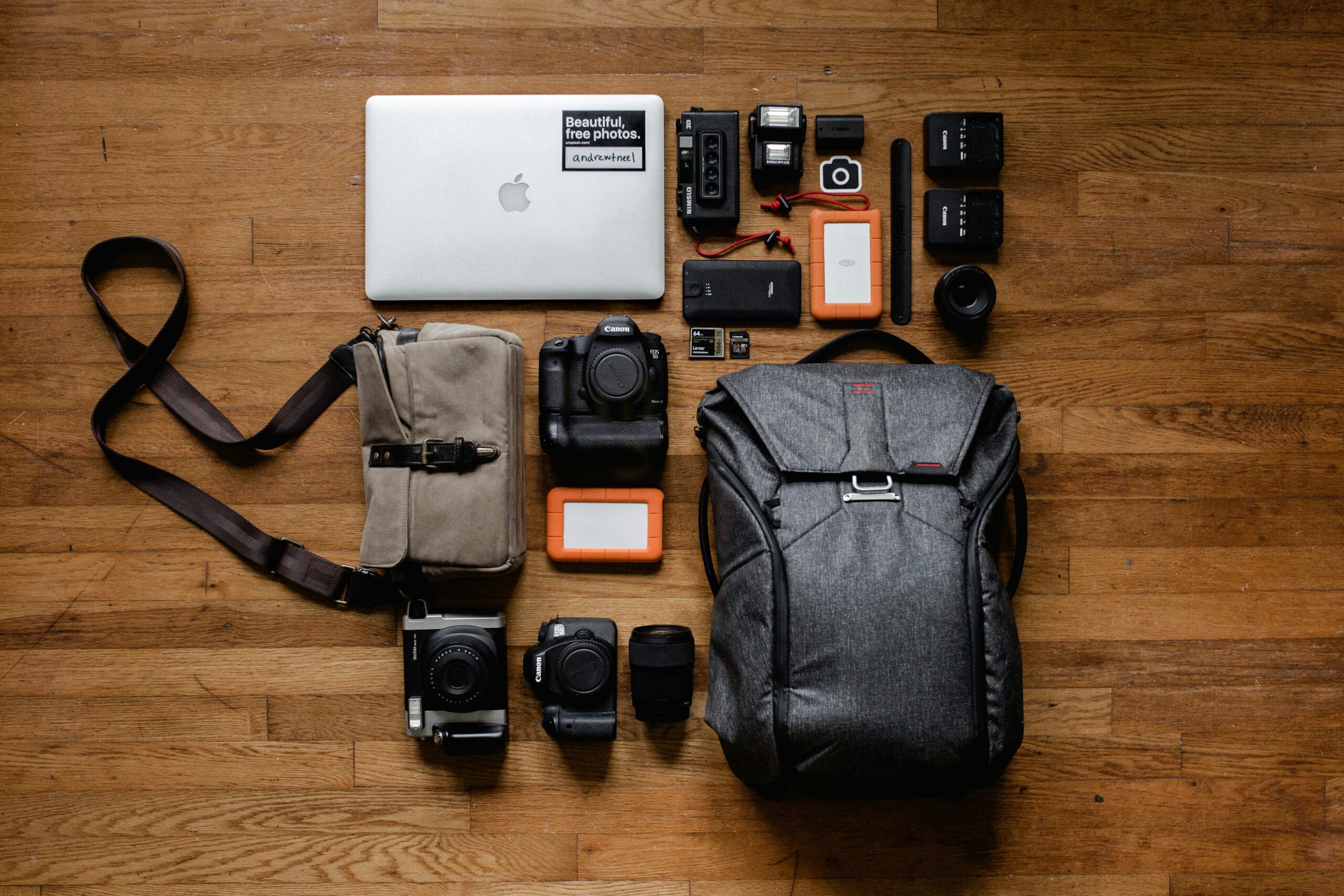
Tech and Camera Gear
Cold drains batteries fast, and a dead phone at 6 pm means no photos of the best-lit hours of the day.
- Power bank (10,000 mAh or more) per person. Keep it in an inside pocket where your body heat keeps it warm. We use Anker Power Banks, and they have never let us down. Charge them in the van while driving so they are ready to roll when you park.
- Spare camera batteries, stored in an inner pocket, not in the camera bag. Swap them out rather than waiting for a cold one to die. We have been beating up on K&F batteries in our Sony cameras, and they have been fantastic.
- A lens cloth and a zip bag. When you walk from the cold into a warm hotel or Stube, seal your camera in the bag first so condensation forms on the bag, not the lens.
- A small tripod or a grip that works with gloves for low-light market shots and nighttime time-lapses. The Manfrotto MTPIXIMII-B Travel Tripod has been with us around the world, and it has never let us down.
- A wireless mic if you’re filming. Markets are loud, with music, crowds, and bells. The DJI Mic Mini has worked exceptionally well for us on many trips.
- eSIM or a local data plan for maps, translations, and uploads on the go. Check with your carrier before you go; I had to unlock my SIM for European travel with AT&T.
What to Leave at Home
- A huge parka. Too warm indoors and in the van, and a pain to carry. Layers do the job better.
- Lots of shoes. One pair of boots, one pair of indoor shoes, and maybe one nicer pair is plenty. For this trip, I am taking a single pair of waterproof tennis shoes.
- Full-size toiletries. Every hotel has the basics, and German drugstores like dm and Rossmann are everywhere and cheap.
- A hair dryer. Almost every hotel has one, and US models need a voltage converter.
- A completely full suitcase. Leave room in your bag instead. You will come home with ornaments, gingerbread and at least one market mug. I will be carrying my go-to Patagonia Black Hole Duffel with room to spare.

