If you’re building a van for months (or years) on the road instead of the occasional weekend trip, the mods that matter most shouldn’t be the flashy ones; they’re the ones that change your quality of life every single day. A fiberglass high-top is one of those mods, and the Tufport high-top, installed by Wasatch Overland out of Salt Lake City, has become one of the most talked-about options in the van conversion world for a reason. Here’s why it deserves a serious look if you’re planning a vehicle for the long haul.
The Headroom Problem Nobody Warns You About
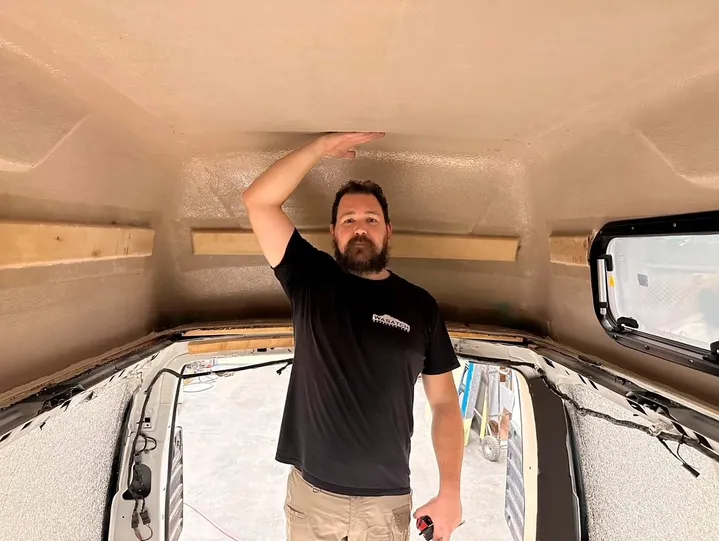
Most cargo vans, Ford E-Series, Chevy Express, GMC Savanna, were designed to haul boxes, not humans. Stand up straight in a stock van and you’re immediately reminded of that. For a weekend trip, you shrug it off. For six months of living in the thing, stooping every time you cook, get dressed, or move around becomes a genuine physical toll.
A one-piece fiberglass high-top solves this permanently. Unlike a pop-top, there’s nothing to raise or lower, no canvas to zip, and no compromise on structural integrity when it’s time to drive down a washboard road at highway speed. You get full standing height, all the time, in every kind of weather.
At its lowest point in our build, the Tufport top allows for around 6’1″ of standing height and 6’4″ at the highest. This will vary based on floor/ceiling insulation and thickness.
Build it for the Life, Not for the Gram
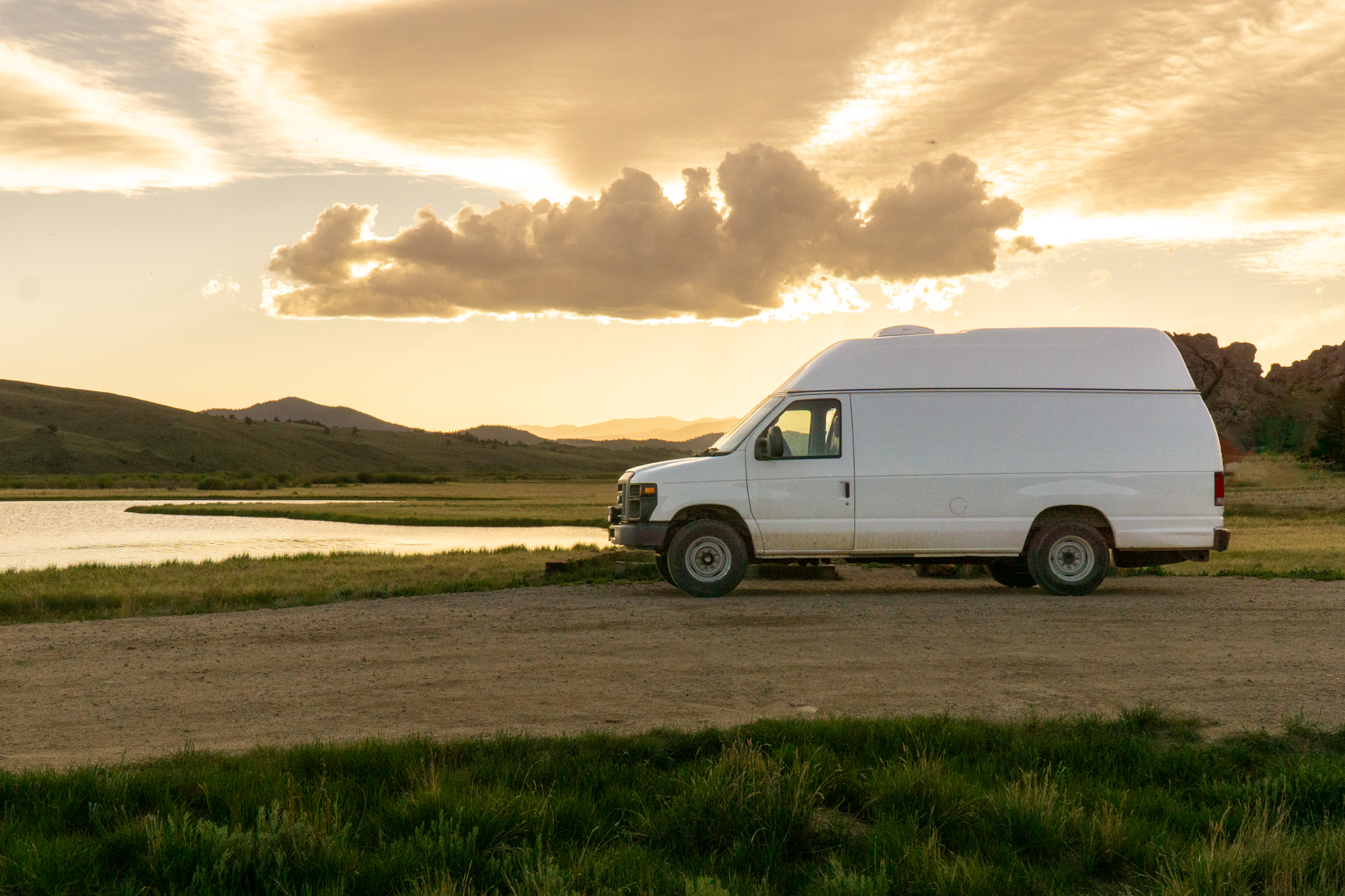
What sets the Tufport apart from a generic aftermarket top is how it’s built for actual van living rather than just clearing your head. The tops come with wood strips molded directly into the fiberglass along the sides and back, giving you solid mounting points for cabinets, shelving, and overhead storage without hunting for structure or adding your own reinforcement. There’s also molded honeycomb wood reinforcement in the ceiling at no extra cost, which matters a lot if you’re planning to hang anything from above — cabinets, lighting, whatever your build demands.
The build quality of the Tufport top is unbelievable, especially compared to a canvas pop-top. We were sold on a canvas top, but the quality and the price ultimately sold us on the Tufport.

Wasatch Overland is the US Supplier of Tufport High-Tops
Wasatch Overland is a Salt Lake City, Utah-based shop that builds bespoke rigs for overland travel and camping. Its core specialty is van high-tops, which are custom roof conversions for Ford, GM/Chevy, and Volkswagen vans, sold and installed in-house, most in only one day. It also does interior build-outs, from basic layouts to boutique custom designs, and general upfitting work. Other offerings include truck camping systems such as AT Overland and Tufport truck-bed campers, the Super Cap 80 Land Cruiser pop-top roof, Emuwing accessories, fender flares, bumper installation, E-series rear pop-outs, and Scheel-Mann seats. Financing is available.
Real Insulation Value
Fiberglass tops handle temperature swings far better than thin sheet metal or a fabric pop-top ever will. For long-term travelers chasing 70-degree weather from Utah to Baja to the Yukon in a single year, that thermal buffer can mean the difference between a comfortable rig and one that’s an oven at noon and a freezer at 3 a.m.
Our van is equipped with a petrol parking heater and retains heat far better than the previous tin roof. We have traveled in rooftop tents and have used heaters in canvas tents with less success than what we have found in this van.
In addition to the top, we plan to add 3M Thinsulate to the interior of the top with 3M Super 90 Spray Adhesive and cover it with paneling. The 3M product is very good and we are excited to try the setup in the winter.
Velit Petrol Parking Heater
3M Thinsulate SM600L
3M Super 90 Spray Adhesive

It's a Foundation to Build On, Not Just a Roof
The best case for a Tufport hightop as the long-term vanlife mod is that it’s not an isolated upgrade, it’s the foundation everything else gets built on. Solar mounting, awning brackets, light bars, bunk platforms, storage cabinets: all of it depends on having a roof that’s actually engineered to support a real build, not just clear your head by a few inches. Wasatch Overland’s installation options extend into exactly that ecosystem, from powder-coated awning brackets to custom bunk platforms sized for Ford and GM vans, which means the top isn’t a dead end.
For our build, we have already added a MaxxFan to the front of the top (installed by Wasatch Overland). The rest of the top of the roof will be covered in as big of a solar panel as we can fit up top. We plan to mount without fasteners and use 3M VHB and eternabond to hold the panels down. The interior of the van will get a combination of insulation, wood paneling, and 12v lighting.
MaxxFan Deluxe Fan
The Bottom Line
For a weekend camper van, you can get away with a lot of shortcuts. For a rig you’re going to live in full-time, headroom, insulation, and a mounting structure that can carry the weight of your actual life on the road stop being nice-to-haves and start being the things that determine whether the build holds up.
A Tufport hightop, professionally installed by a shop that specializes in exactly this kind of conversion, is a strong candidate for the single highest-impact structural mod you can make before the rest of your build even begins.
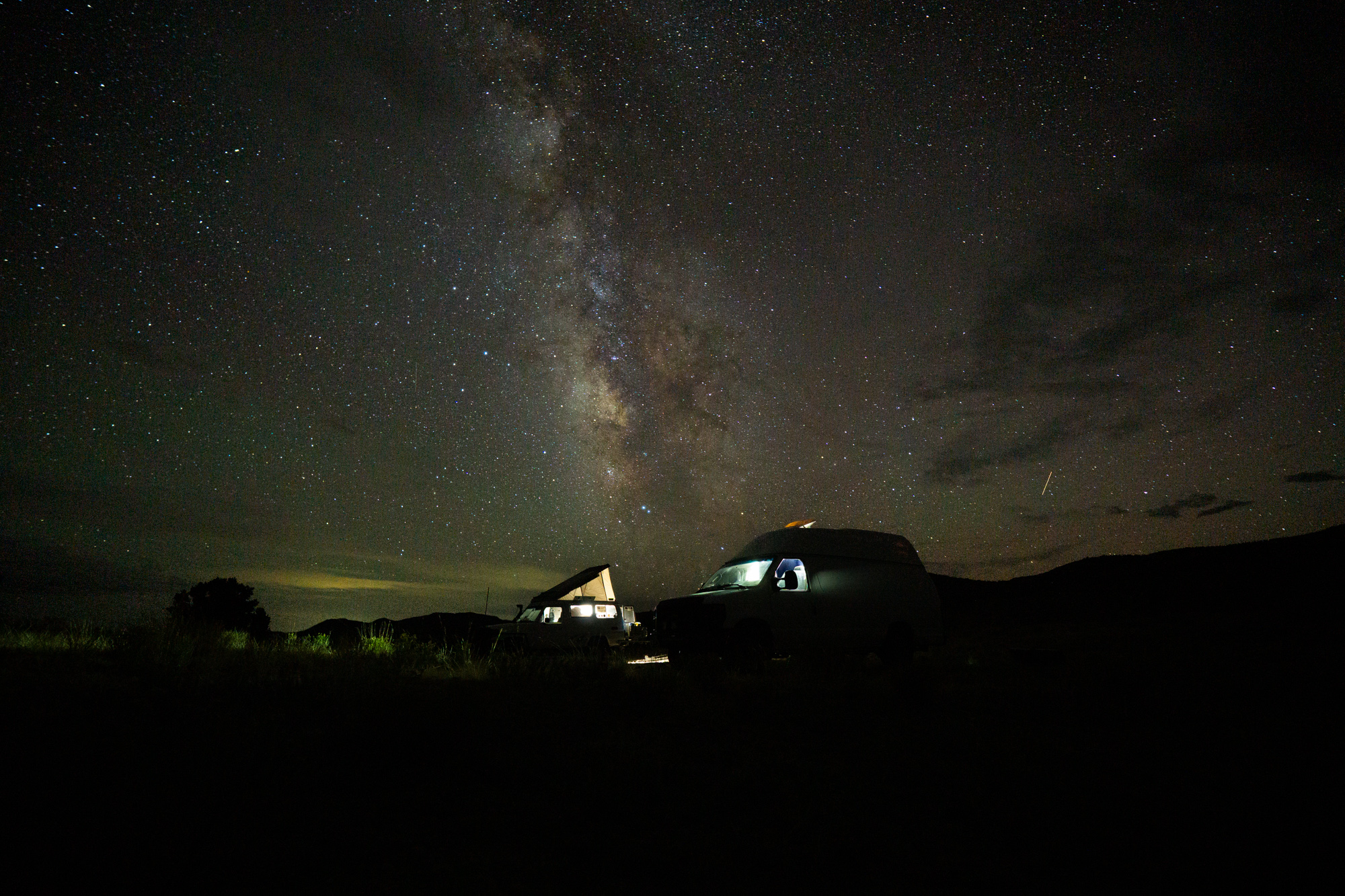
If we did not have plans for international, long-term travel, the high-top likely falls into the nice-to-have category of mods. For trips longer than a week or two, the high-top is our favorite modification-hands down.
Note: pricing, installation times, and exact specs vary by van platform and options — worth a direct call to Wasatch Overland to nail down details for your specific van before you commit.